
Plastic packaging plays an important role in everyday consumer experience. It helps keep products safe, accessible, convenient and affordable - especially for consumers with limited purchasing power, who need cost-effective solutions without compromising quality. But when disposed of irresponsibly, it can become one of the biggest environmental challenges facing our cities, communities, and waterways today.
At Unilever Bangladesh, we recognise that packaging is part of this challenge, and we are committed to being part of the solution. Our approach is rooted in reducing plastic use, keeping materials in circulation, and collaborating across the value chain. While we continue to test new technologies and reengineer products and packaging for a more sustainable future, we also believe meaningful change requires action beyond the product itself. That is why we are working to play a transformative role in strengthening Bangladesh’s post-consumption plastic waste value chain.
As part of our global commitment to reduce plastic pollution and create a more circular future, Unilever Bangladesh, in partnership with Young Power in Social Action (YPSA) and Chattogram City Corporation (CCC), has been working since 2022 to strengthen plastic waste management systems across all 41 wards of Chattogram city.
What we have achieved, at a glance:
Collection: More than 32,000 tonnes of plastic waste have already been collected between June 2022 and April 2026, including both flexible and rigid plastics.
Training: Supported over 3,000 waste workers with training on waste management and health safety.
Safety and Livelihood Improvement: Protective equipment and financial incentives for the waste workers have helped improve livelihoods and achieve safer working conditions across the value chain.
While this progress is encouraging, the scale of plastic pollution requires continued action from all of us. Sustainable waste management cannot happen through infrastructure alone. It depends on businesses, government, municipalities, impact partners, communities and consumers working together. Every consumer can be a partner in keeping plastic in the economy and out of the environment.
This World Environment Day, Unilever Bangladesh is continuing its commitment towards improving plastic waste management by spotlighting an important truth: plastic waste does not end at disposal. Behind every discarded bottle, wrapper, or shopping bag is a value chain powered by thousands of waste workers, collectors, recyclers, and scrap dealers (Bhangariwalas) working every day to recover value from waste and keep our environment cleaner.
A large portion of recyclable plastic loses its value because it becomes mixed with food waste or contaminated during disposal. Simple habits at home can make a meaningful difference. These actions are not beneficial only for the environment, but also for the thousands of waste workers who handle discarded materials every day.
Consumers can support the value chain by:
- Cleaning plastic containers before disposal
- Separating biodegradable and non-biodegradable waste
- Keeping shopping bags and flexible plastics dry and separate
- Safely disposing sharp plastic items
- Handing over clean recyclable plastics directly to local waste collectors where possible
These small actions help waste workers recover recyclable materials more efficiently, reduce health risks, and improve the chances of plastics being recycled and reused. This World Environment Day, we particularly shed light on the importance of source segregation and flexible plastic recovery - materials that are often overlooked, yet remain among the most difficult to recover and recycle, and among the biggest contributors to urban plastic pollution.
The campaign is bringing these stories to life through a series of social-first contents, value chain stories, content creator collaborations, and consumer education initiatives focused on the people behind plastic waste management and the role every citizen can play in supporting them.
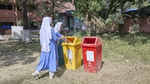
The initiative also continues to create awareness at community and school levels. More than 25000 households have already been reached through door-to-door awareness campaigns, while schools across Chattogram have received colour-coded waste bins and environmental awareness activities to encourage source segregation habits from an early age.
At Unilever Bangladesh, we believe meaningful change happens when businesses, communities, and consumers work together. Because building a cleaner future is not only about managing waste better - it is about recognising waste as a resource, supporting the people behind the value chain, scaling systems with government, municipalities and impact partners, and making conscious choices every day.